
The DC Download
Newsletter Archive
Spotlight Features
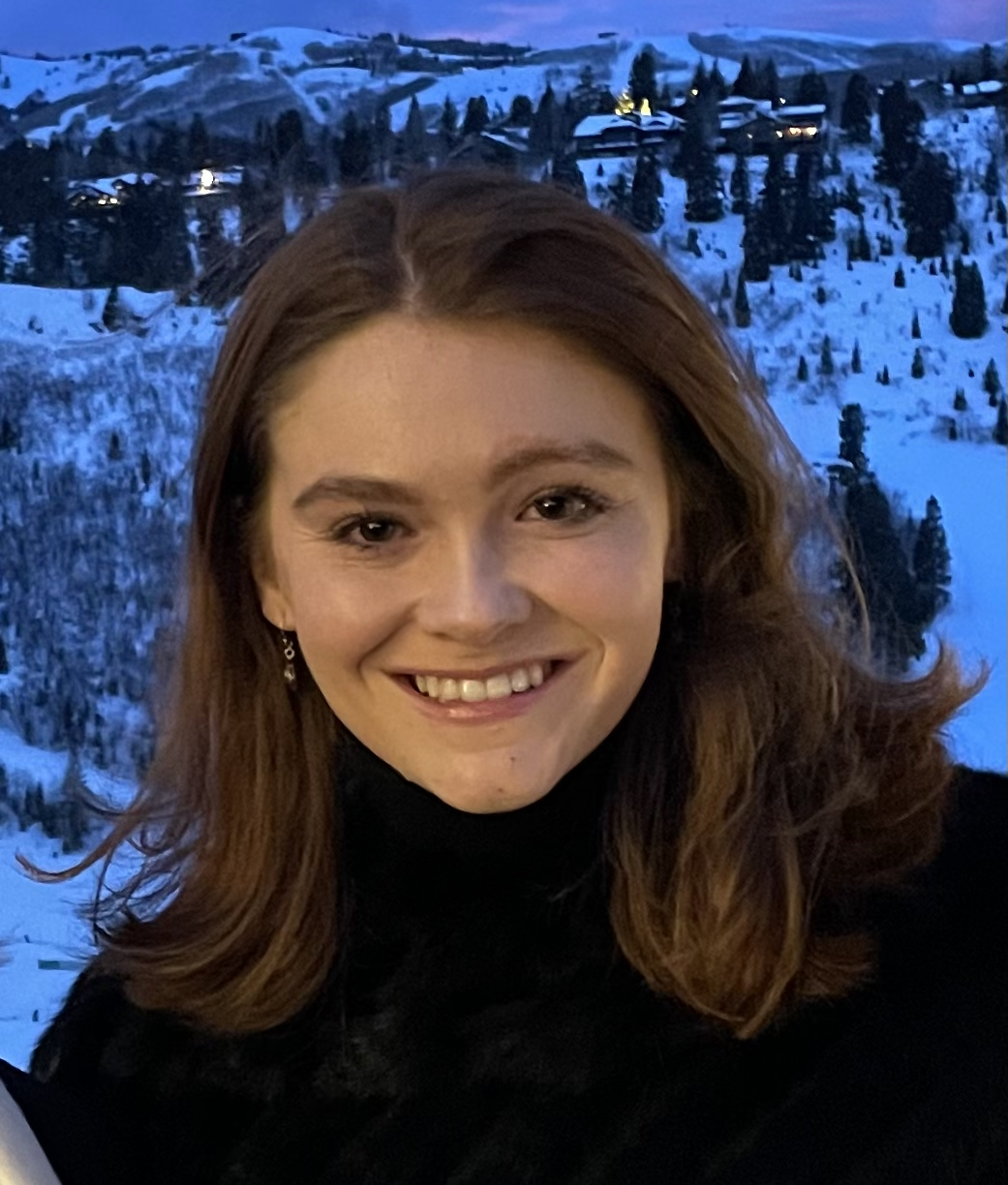
Kathleen participated in the Wake Washington Program in spring 2019 as a junior. She interned at the National Association of Chain Drug Stores where she is now the Senior Manager, Media Relations.
Kathleen, thanks for taking the time to chat today. Would you start by sharing what sparked your interest in the Wake Washington Program?
I was intrigued by the opportunity to spend a semester away from Winston-Salem, NC, living and working in a big city — while still enjoying classes taught by a Wake Forest faculty member. Additionally, although I was a Communication and Spanish double major, I loved the idea of taking coursework focused on politics and international affairs while being right in the heart of things in the nation’s capital. I knew it would be a unique experience that I otherwise would never get!
How else would you describe the Wake Washington Program and educational experience to others?
For students with any interest in moving to Washington, DC, after graduation, the Wake Washington Program is a must-do. Wake Washington offers students the opportunity to take Wake Forest coursework that is of interest to them; gain hands-on experience in a professional working environment; network with impressive Wake Forest alumni, of all ages, who are living and working in the DC metro area; and immerse themselves in the culture of Washington, DC. Not to mention the field trips: during my time in Wake Washington, I visited everywhere from the White House to the CIA to the Capital One Arena for a Washington Capitals NHL game.
What was your most memorable experience while in the program?
One of my favorite memories was having the opportunity to visit both the National Counterterrorism Center and the US Institute of Peace — on the same day — on my twenty first birthday. How many people get to say they did that on their 21st?!
That is certainly an interesting way to spend your 21st! What advice would you offer to students considering a Wake Washington semester?
I would encourage three things: (1) While the semester is challenging at times — juggling coursework and an internship four days per week — it is well worth it. Just remember that the entire cohort is in the same boat and you all are there to support one another. (2) It is just as important to figure out what you enjoy as it is to figure out what you don’t. It is all a learning experience — and will help you decide what you want to do and where you want to be post-Wake Forest. (3) Enjoy your time at Wake Washington. The semester flies by. When an opportunity arises to attend an interesting sporting event or restaurant or museum — do it, don’t wait!
And one final question – why do you continue to engage with Wake Washington?
The Program not only helped me immensely in my career, but it also introduced me to many of the friends I have now in Washington, DC — and to other alumni I continue to meet! It is so much fun seeing the young students in the Program. Lots of opportunity lies ahead for them, and I love to support in whatever way I can.
Thanks, Kathleen, for sharing your experience and for all you do for Wake Washington!
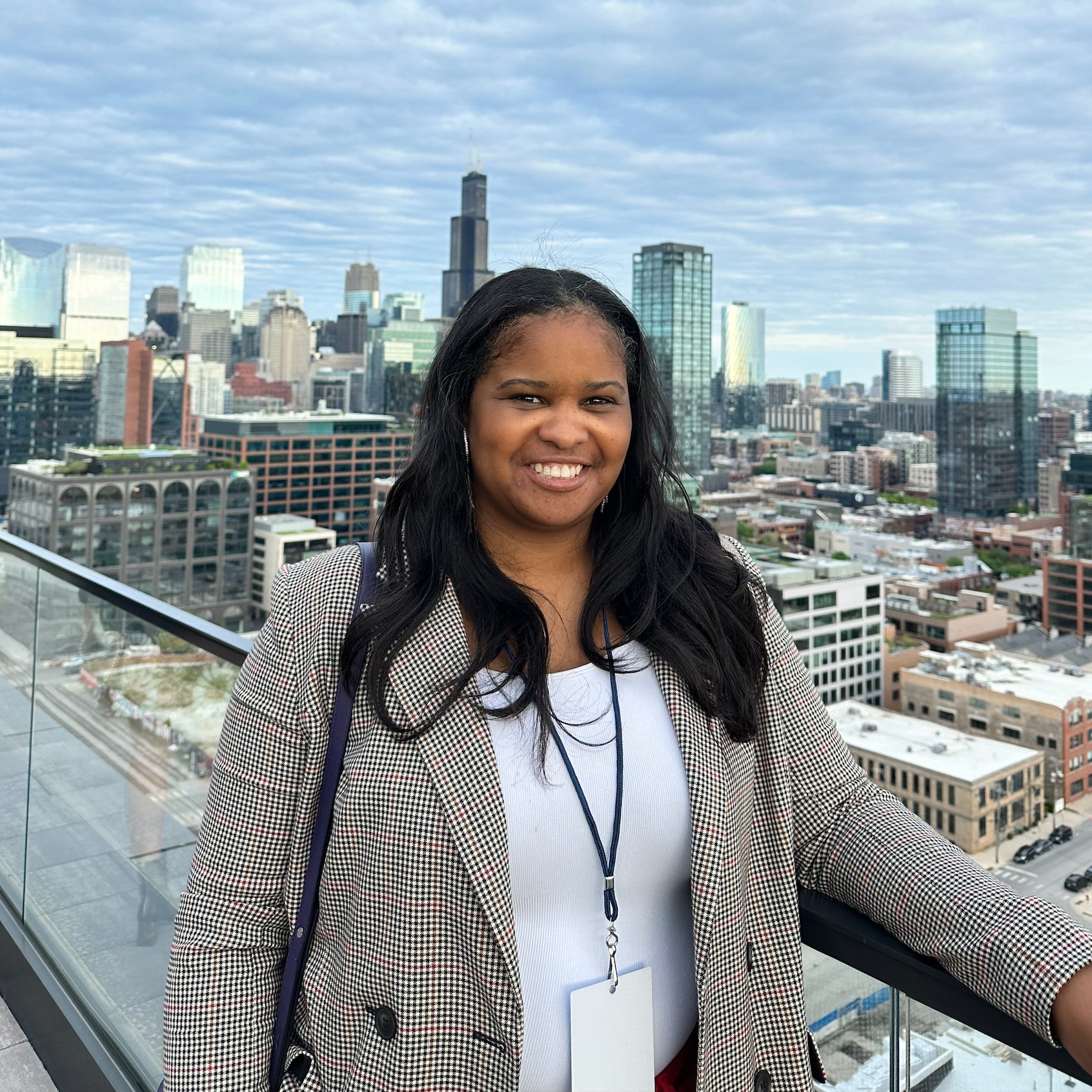
Kellie Dupree (’04) recently established a scholarship fund for students participating in the Wake Washington Program. Kellie is currently the National Director for Development at America Votes in Washington, DC.
Kellie, thanks for making the time to chat today. I know how busy your schedule is right now! Can you share a little about how Wake Forest prepared you for what you do today?
I came into Wake Forest a pretty shy person and (believe it or not) sometimes I still can be! But Wake Forest helped me learn how to talk to anyone and find shared values and/or points of connection. This is so important in my day-to-day job where I have to build relationships and trust with the people who support my organization’s work.
That’s fantastic! As an alumna, what would you say is your inspiration for giving back?
I value my Wake Forest academic education, but I think it’s the Wake community that’s made the most difference in my life. The opportunities I had as an undergraduate to learn and grow in a supportive environment, was a key ingredient to my ability to tackle post-Wake life with confidence. I know for sure that if I’d never studied abroad, I would have missed out on a lot in my life, not just because I got to live in Vienna for a semester, but because I went there as a girl too shy to call the pizza man and returned as someone who’d learned I can flourish in an unfamiliar environment. I want other Wake students to have the same opportunity to absorb both the tangible and intangible lessons that Wake can teach us. I see Wake as a good school that can become even better through increased diversity and opportunities for students. I’m proud to give back and support efforts to expand access to everything that makes Wake a unique and formative experience.
How did you first hear about Wake Washington?
You know, I can’t really remember at this point. I’m sure I saw it in a newsletter at some point when it first opened and had always intended to visit. But I clearly remember getting outreach from Gray Godwin and Jennifer Richwine about them looking for volunteers to kick-off a Wake NOW chapter in DC. I saw it as a great opportunity to get re-engaged with Wake and loved that we now had a home base in the city. Plus, who can say no to Jennifer?!
We are so glad you said yes! Why did you decide to establish this scholarship, specifically for Wake Washington, and what impact do you hope this gift will have on students in the program?
The Wake experience extends beyond campus. For me, the ability to study abroad made a huge difference in my life. I want every student to have the opportunity to pursue things that interest them and if I can help make it slightly more accessible, I feel like I should. I know I wouldn’t be where I am in life without Wake and the lessons it taught me, so I view this scholarship as a bit of paying it forward. I hope it will give students the ability to explore the city that is their temporary home and find things that inspire them.
What advice do you have for other alumni who are thinking about how to give back to Wake?
There are so many ways to support Wake, whether it’s just singing its praises everywhere you go or volunteering your time or giving financially. Personally, I do all three. But I think Wake’s special ingredient is that the community remains so strong once you leave the school. But that’s only true if alumni are willing to engage. I say reach out to your local group or the alumni engagement office to see what opportunities are available. In my job, I spent a lot of time asking people to think about what it is they can give, whether that be money or time or connections. I’d challenge other alumni to ask themselves what they think they can give to Wake using that framework.
Is there anything I didn’t ask that you’d like to share?
I’m just so thrilled that Wake has a home base in Washington, DC. At the time the office first opened, I’d become relatively disconnected from Wake and it provided me the opportunity to get re-engaged. So I guess another thing I want to say is, it’s never too late to become active in the alumni community. It’s not just the young alumni throwing great events!
Kellie, thank you for all you do for our students and the broader Wake community. We are so lucky to have involvement from alumni like you!
Riley Mistrot (’19) participated in the Wake Washington Program in spring 2019 as a second semester senior.
Riley, thanks for taking the time to chat today. Would you start by sharing what sparked your interest in the Wake Washington Program?
I had wanted to do the Wake Washington program since the first time I toured campus as a high school junior and the program was in its previous iteration. As someone interested in international relations at the time, the opportunity to apply academic knowledge in a practical setting in the nation’s capital was a huge part of what drew me to Wake!
That’s great to hear! How would you describe the Wake Washington Program and educational experience to others?
Wake Washington is a hearty academic and professional experience. The internships, classes, and Friday sessions all interplay and reinforce the lessons you are learning and offer you real-life opportunities to apply your knowledge. Working full time and taking classes at night as an undergrad is an invaluable proving ground for graduate study as well, as I’m learning now!
So you’re in grad school and working full-time? Where do you currently work?
I am an analyst for the Department of Defense.
How did your Wake Washington experience impact your career?
Wake Washington is responsible for introducing me to pretty much every job I’ve had since graduating, as well as introducing me to what eventually became my core group of friends through my internship!
That’s amazing! Keeping that in mind, what was your most memorable experience while part of the program?
Meeting DNI Dan Coates’ lead speechwriter and realizing he had run the Georgetown National Security Summer Institute, which I attended in high school – it catalyzed my interest in international relations. That program played a direct role in shaping my interest in the Wake Washington semester focused on terrorism and intelligence, so it was a small world, full-circle moment!
What a great example to show how small a world DC is. Do you have any advice for students considering a Wake Washington semester?
Do it, especially if you’re a senior. You will be able to actualize the connections you make so much sooner!
And one final question – why do you continue to engage with Wake Washington?
It is the foundation of my professional success and personal happiness, and I want to do anything I can to help facilitate that experience for other Deacs! There were also so many alumni who were generous with their time and advice, and it helped shape my perspective, so I want to give it back in turn.
Riley, thank you for taking the time to chat today. We appreciate all you do for Wake Washington!

Nancy Kuhn (’73) has long supported Wake Washington and recently established a fund specifically for Leadership & Character events at Wake Washington. Two such events took place during the fall semester.
Nancy, thanks for taking the time to chat today. Would you start by sharing what has inspired you to be involved with Wake Washington?
My interest in Wake Washington goes back to the early 2000s, when I, along with several other Wake alumni and trustees who lived here, teamed with the dean and senior members of the administration to initiate a semester program for Wake students in DC. We thought it important for Wake Forest to have a presence here that would enrich students’ Wake Forest education, provide faculty with opportunities for research and exposure, and – not least – raise the visibility of Wake Forest in the nation’s capital. Those concepts continue to inform my interest. Happily, Wake Washington evolved into the Wake Washington Center, where Wake Forest has its own flagship presence and program.
We are incredibly grateful for your support and for championing our presence here. So turning to your current involvement, why did you decide to establish this fund specifically for Leadership & Character events at Wake Washington?
As a university, Wake Forest does many good and important things to better the world in which we live. I think the Leadership & Character Program and Wake Washington rank among the most important of these, as they make real the University’s motto of Pro Humanitate.
The Leadership & Character Program epitomizes for me much of what is good and valuable about Wake Forest. It captures the essence of what it means to educate the “whole person” – not just each student’s mind – ultimately for the good of humanity. It is a distinguishing feature of Wake Forest.
Wake Washington serves as both a venue and vehicle for fostering a Wake Forest community where the lessons from Leadership & Character can be parlayed to reach a broader audience – touching not only our students at Wake Washington and their employers, but also the Wake Forest community in the DC region and other influencers in our city and beyond.
Very well stated, Nancy. With regard to your most recent gift, what impact do you hope this gift will have on students in the program and the broader Wake Washington community?
Ideally, philanthropy serves as catalyst. I hope our gift will catalyze more Leadership & Character programming at Wake Washington, with the immediate aim of expanding the intellectual and ethical horizons of our students here. As importantly, I hope it will help to amplify both Leadership & Character’s and Wake Washington’s visibility across our extended Wake Forest family, as well as among the political and business leaders in the National Capital Region. Of course, I hope that our example will also encourage others to make similar gifts.
What does leadership and character mean to you?
I think it means “leading with character,” which in this context means helping to enable our students to become leaders who possess integrity, humility, honesty, and compassion, among other virtues.
We certainly need more leaders with such virtues! In thinking about your involvement before the Center existed and how Wake Washington has since evolved, what aspirations do you have for Wake Washington, both in the near-term and in the long-term?
I hope Wake Washington will continue to grow to influence an increasing number of students and to further advance Wake Forest’s reputation here and nationally. I also hope that, longer term, it can become a significant convening venue for conversations that we need to be having as a nation. Its location here in the nation’s capital provides an excellent opportunity for this.
Well said, Nancy, and thank you for making the time today. We are grateful for your continued support and generosity.
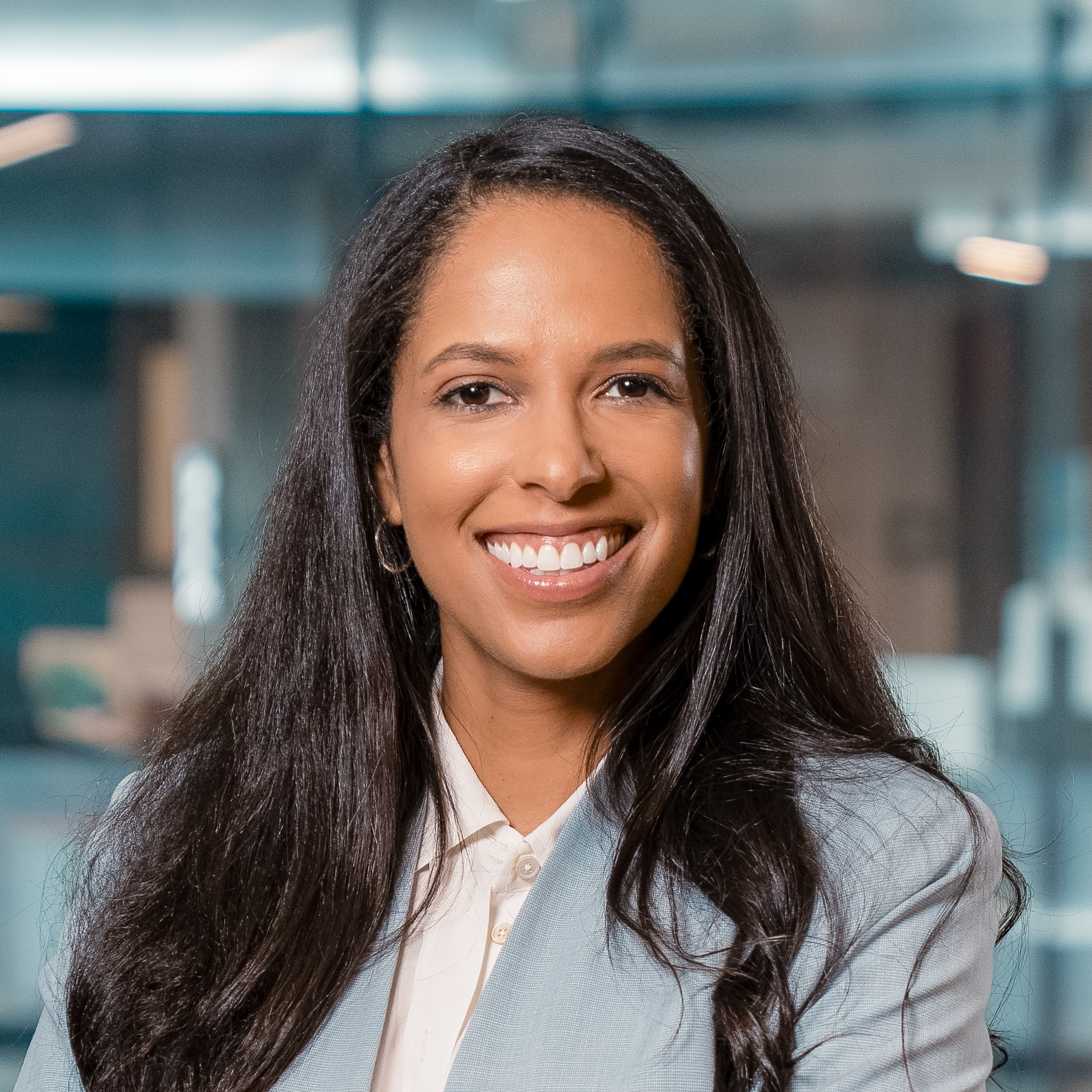
Amanda Finney’s (’13) career path has been anything but linear – she’s worked for political campaigns, Teach for America, Microsoft, and the White House. She has shared her stories with our students the past several semesters, and we are delighted to catch up with her this month.
Amanda, thanks for your time today. Would you start by sharing what brought you to the DC area?
My mother is originally from DC, so I grew up visiting family in the nation’s capital often. As a student at Wake, I spent time here for short stints—first as a White House intern the summer after my freshman year, then during my senior year after working on the Obama campaign and joining the Presidential Inaugural Committee as a Fellow. I officially moved back to DC in January 2021 to start day one in the Biden-Harris administration, and I’ve been here ever since.
Besides the familial connection to DC, what has inspired you to be involved with Wake Washington?
Wake Forest played a pivotal role in my growth, both personally and professionally. The community, the teachers, and the learning—inside and outside the classroom—challenged me to embrace discomfort as a catalyst for development. Giving back through Wake Washington is a small way to support the next generation as they step into the world, applying their expertise and everything they’ve learned. It’s Pro Humanitate, coming full circle.
You are one of our students’ favorite speakers each semester, so thank you for sharing your insight and expertise. Where did you work most recently, and what will you be doing next?
After serving four years in the Biden-Harris Administration—first in the White House Press Office as Chief of Staff to then-Press Secretary Jen Psaki, and later as Director of Public Affairs at the U.S. Department of Energy—I recently embarked on my next adventure as Vice President at Avoq, a national strategic communications and advocacy firm.
Congratulations! That sounds like an exciting opportunity. What advice do you have for anyone looking to make a career change?
My biggest advice to current students—or anyone trying to make a pivot—is to stay open for all possibilities. Having a plan is great, but don’t lock yourself into one path. The job that will define your career might not even be invented yet. Today, careers are anything but linear. Yes, it’s risky. Yes, it’s uncertain. But that’s also where the excitement lies. The best opportunities often come from unexpected places. So embrace the unknown, build relationships, and learn from every experience. You never know who—or what—will lead you to your next big break.
That is excellent advice, Amanda. Thank you for taking the time to chat today, and we look forward to seeing you again soon!
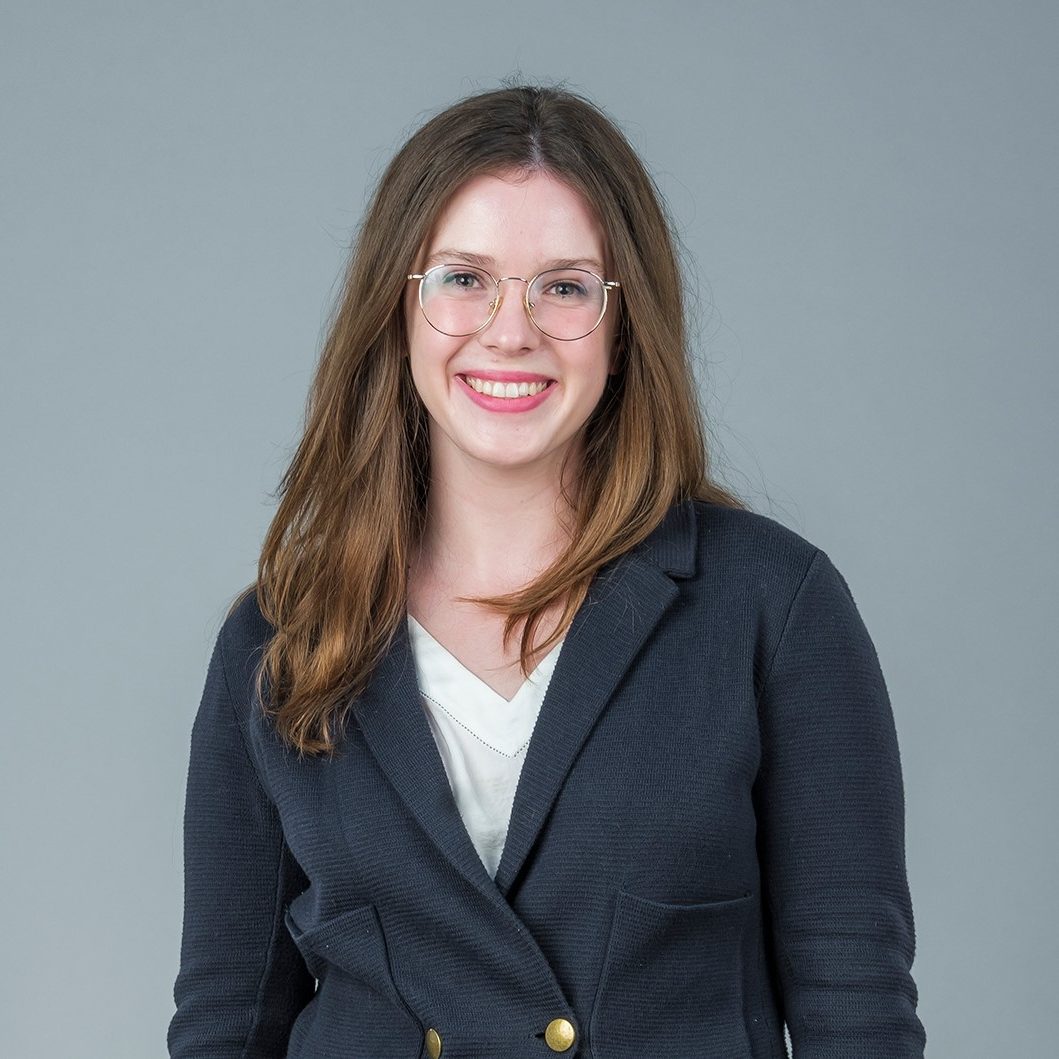
Natalie Alms (’20) is a DC-area journalist who was among the first cohort of Wake Washington students in Fall 2017. We are excited to catch up with her this semester and learn more about her journalism career.
Natalie, thanks for your time today. Would you start by sharing what it was like to be a “pioneer” in our very first semester? What sparked your interest in the program?
It felt very exciting to be in the first class at Wake Washington. I remember quickly developing a camaraderie with my classmates, walking to my internship at the White House Historical Association on crisp fall mornings and speaking to journalists in the Wake Washington Center who inspired me to take a reporting class when I was back on campus. One of my favorite professors at Wake Forest, Dr. Katy Harriger, floated the idea of me applying to go with her to Washington, DC for a semester. It was my first time living in a city — I grew up in rural North Carolina — and I’m still so grateful for the time I spent in DC, which set me on my current path.
We are so glad to have you among our Deacs in DC. How would you describe the Wake Washington Program?
I think of my time in the Wake Washington Program as an introduction to professional life, something I knew relatively little about before my time in DC. The classes I took were excellent, as usual, but what made the experience different from my time on campus was the focus on professional development. It was my first internship and my first time doing networking coffees. The skills I learned in the process still serve me to this day.
That’s great to hear! Where are you working now, and what is your current job title?
I am a senior correspondent at Nextgov, a trade publication focused on the federal government and its technology.
What is it like to cover stories about the government, especially during times of transition or when there is conflict?
My federal government beat went from obscure to really important very quickly after President Donald Trump took office. For months, my beat essentially consisted mainly of covering DOGE, the controversial team initially led by Elon Musk.
Suffice to say, it’s been stressful at times. That said, it’s wonderful to feel useful. I’ve tried to put my expertise to good use, filing scoops on how little fraud there was at Social Security, despite the administration’s claims otherwise, covering how workforce reductions affect important tech systems like those used to track diseases at the CDC, and more.
That sounds like really important work! What’s the story or issue you’ve covered that makes you especially proud?
I’m really proud of my coverage of SNAP theft. The tally for SNAP “skimming,” where fraudsters steal SNAP card data and use it to take the benefits from those that need them, could cross half a billion dollars later this year, according to a recent watchdog estimate.
That’s in large part because the government still relies on half-a-century-old card technology to get money for food to over 41 million Americans a month as part of the nation’s largest nutrition assistance program.
The electronic benefit transfer, or EBT, cards used to deliver SNAP lack the chip technology embedded in most common credit and debit cards, leaving them exposed to transnational crime rings that have been targeting America’s most vulnerable citizens for years.
Congress told the Agriculture Department to create a rule forcing states to update their cards in late 2022, but the department still hasn’t done so.
My coverage of this issue has ranged from detailing government reports like the one referenced above to doing a ride along with the Secret Service, which is going door-to-door at stores that accept SNAP looking for the skimming devices that steal card data as part of its financial crime mission.
I’m really proud of my watchdog reporting on this issue because it affects real people. EBT theft is also relatively undercovered by the press, despite the fact that it affects thousands of people, so I’m eager to fill that gap.
Victims may not know that their card has been compromised until they are in the checkout line at the store. Over 670,000 households have been stolen from between 2023 and 2025.
Nearly 60% of people who lost benefits to EBT theft reported skipping meals, according to a survey of over 11,895 EBT cardholders early last year. Almost half said they took on debt.
My first thought when hearing about card skimmers is gas pumps; I’ve never thought about other points of sale, nor the impact that could have on SNAP. That’s very interesting.
Shifting gears a bit, I know you are aware of how robust the Wake Forest alumni network is in DC. Have there been any alumni who have been especially helpful in your career?
Shane Harris at the Atlantic has been an extremely helpful mentor to me. I connected with him after he spoke to my class at Wake Washington, which inspired me to take a reporting class back on campus in Winston-Salem. Since then, he’s fielded questions about journalism, about job hunting and more. I do my best to try to offer my support to other up-and-coming journalists the way that he did for me.
Shane is always a favorite among students, and he has spoken to every cohort so far. What about the program itself? How has your Wake Washington experience impacted your career?
I think of Wake Washington as a critical turning point that set me on my current path. Wake Washington got me interested in journalism, and it gave me tools like networking to pursue it.
Fantastic! What was your most memorable experience while part of the Wake Washington Program?
What I remember most is the friendships I made in the program, which survive to this day. Many of my classmates and I were in DC to celebrate the retirement of Dr. Harriger — a testament to the lasting impact she has had on us.
It was great to catch up with you, Natalie. Thank you for taking the time out of your busy schedule!
Content suggestions?
Contact Jenna Radford () if you have suggestions for future issues.